The GPS Fiduciary Process
Helping you deliver operational fiduciary excellence
Retirement plans are better served when operational fiduciary responsibilities are assigned to an independent expert. GPS brings deep regulatory knowledge and hands-on experience with service delivery to create a documented, monitored fiduciary process that establishes clarity and accountability among service providers and the plan sponsor.
At the core of the GPS Fiduciary Process is our proprietary GPS Knowledgebase™—a comprehensive inventory of IRS and DOL requirements. We use it to identify, prioritize, and map fiduciary and operational responsibilities, helping ensure your plan operates in compliance consistently—not just at a point in time.
How the GPS Fiduciary Process Works
Map Requirements
Using the GPS Knowledgebase™, we tailor applicable regulatory and operational requirements to your specific plan structure.
Assign Accountability
We work with service providers to clearly define who is responsible for each duty——eliminating ambiguity and overlap. The result of this process is a contract where an employer’s fiduciary duties are clearly described and limited to a small number.
Monitor Performance
GPS periodically monitors the recordkeeper and TPA to help ensure responsibilities are being fulfilled as agreed and within required timeframes.
A continuous, comprehensive documented fiduciary process—not a one-time review or limited set of services
Completing the Fiduciary Picture:
Investment and Operational Oversight
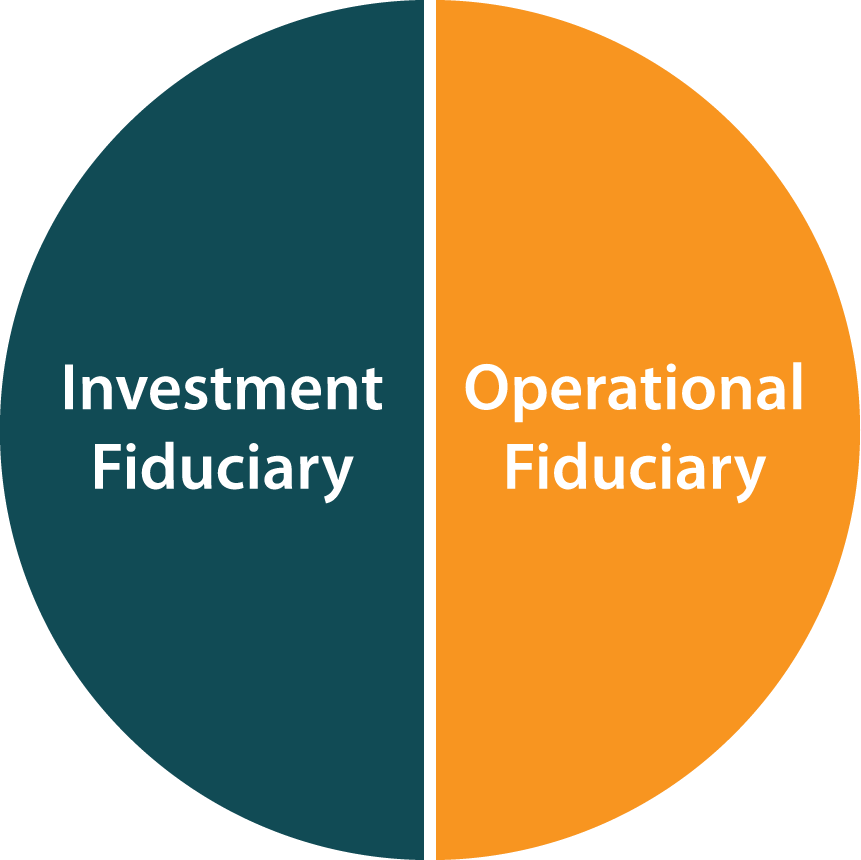
A strong fiduciary process isn’t just a best practice – it’s an ERISA requirement. While most plans apply rigorous oversight to investments, many stop short of providing the same fiduciary discipline to plan operations, unintentionally leaving employers exposed to significant risk.
True fiduciary excellence requires both.
By pairing an appointed investment fiduciary with an independent operational fiduciary, the full fiduciary picture is completed. This dual-fiduciary approach eliminates ambiguity, closes oversight gaps, and helps ensure that both sides of the plan—investments and operations—are prudently managed. The result is stronger governance, clearer accountability, and greater confidence for employers that their fiduciary responsibilities are being met in full.
A strong fiduciary process isn’t just a “best practice”—it’s an ERISA requirement.